EYOF 2022 and sustainability
As you may already know, the first edition of the EcoWorkshop was about sustainability measures at this sports festival. The EYOF organising committee was very proactive and had already many measures in itself, but we, high school students from all over Slovakia, came up with the so-called Green Ten, i.e. measures for the athletes, advising them how to behave more environmentally friendly. I remember how our lecturer of the Košice group, Maria, told us about this goal. I was a bit skeptical because I thought it was naive to come up with measures that nobody would actually follow anyway. But we went ahead with it anyway. It was fun, but also a little challenging at times, because sometimes it’s hard to think of a better way in a “closed circle”.
So I volunteered at EYOF 2022 to see how these measures of ours work in practice.
They proved to be practical and useful, as they were accepted by the festival management. They made a poster of the “Green Ten Commandments”, which was put up in all the sports grounds and dormitories in both Slovak and English for people to read. They were recommendations not only for athletes, which were not at all difficult to follow.
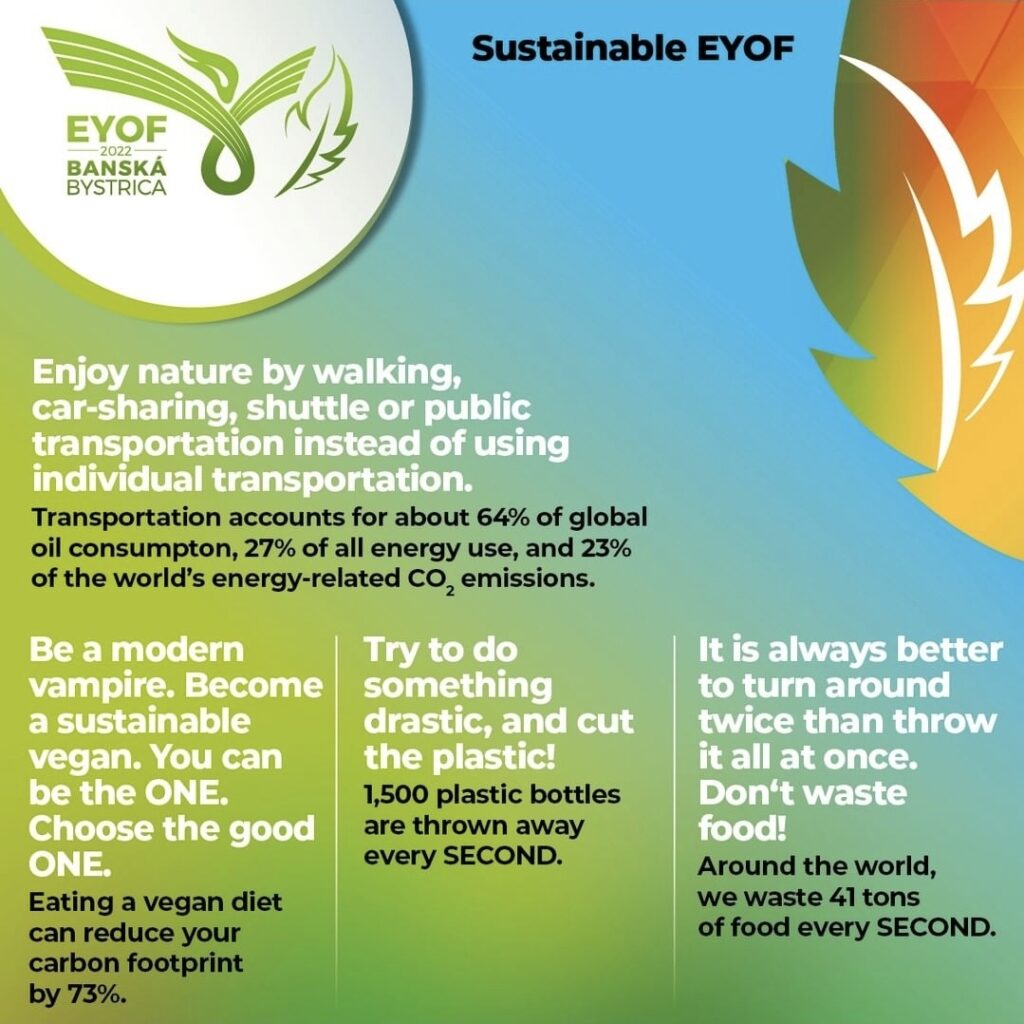
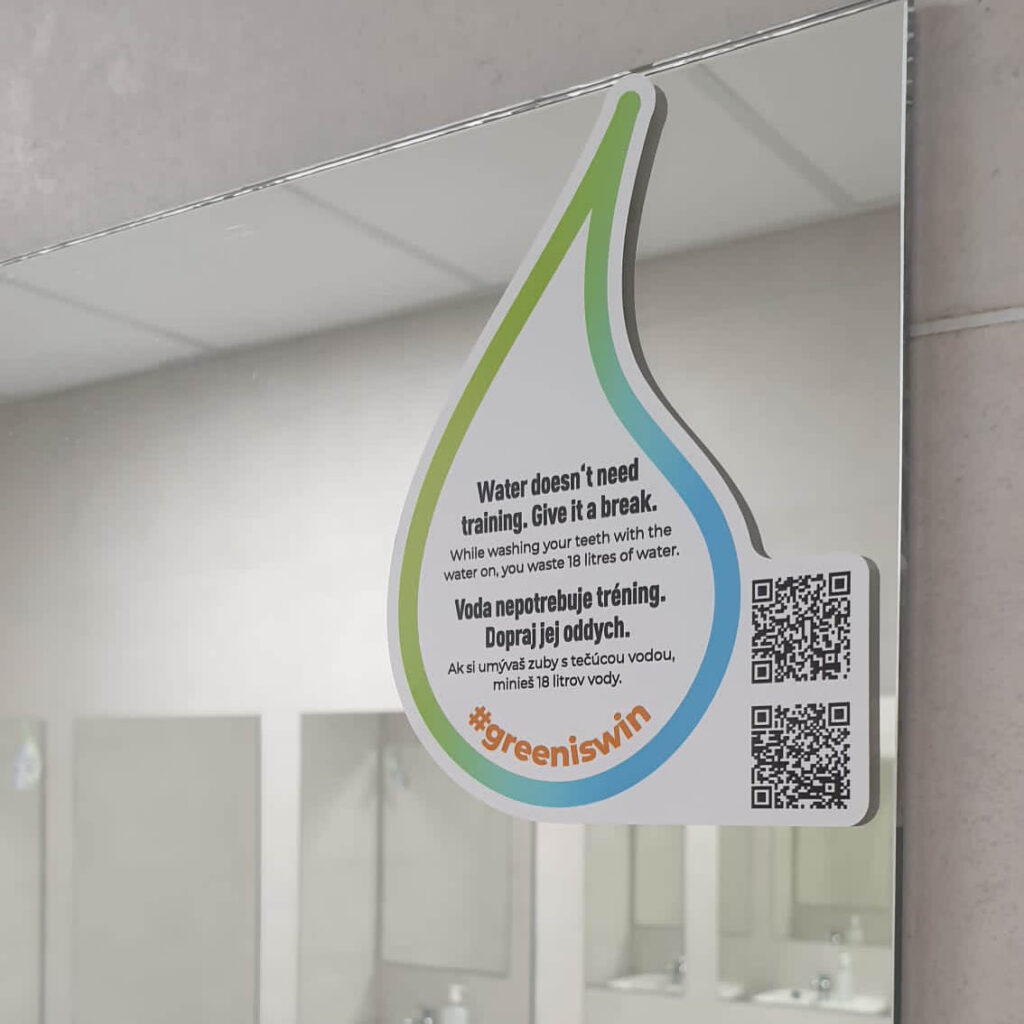
So the festival began and with it our “green” measures. It started with bins for sorted waste and back-up bottles. We also stuck stickers with various funny texts that taught the athletes about saving water when showering and brushing their teeth, turning off lights and unplugging appliances.
But they also had various other, rather organizational measures, such as the fact that the athletes had access to drinking water everywhere in the venues, so that they did not have to buy plastic bottles, but got their own thermoses that they could reuse, the podiums were made of 100% recycled plastic by a Slovak company, and so on.
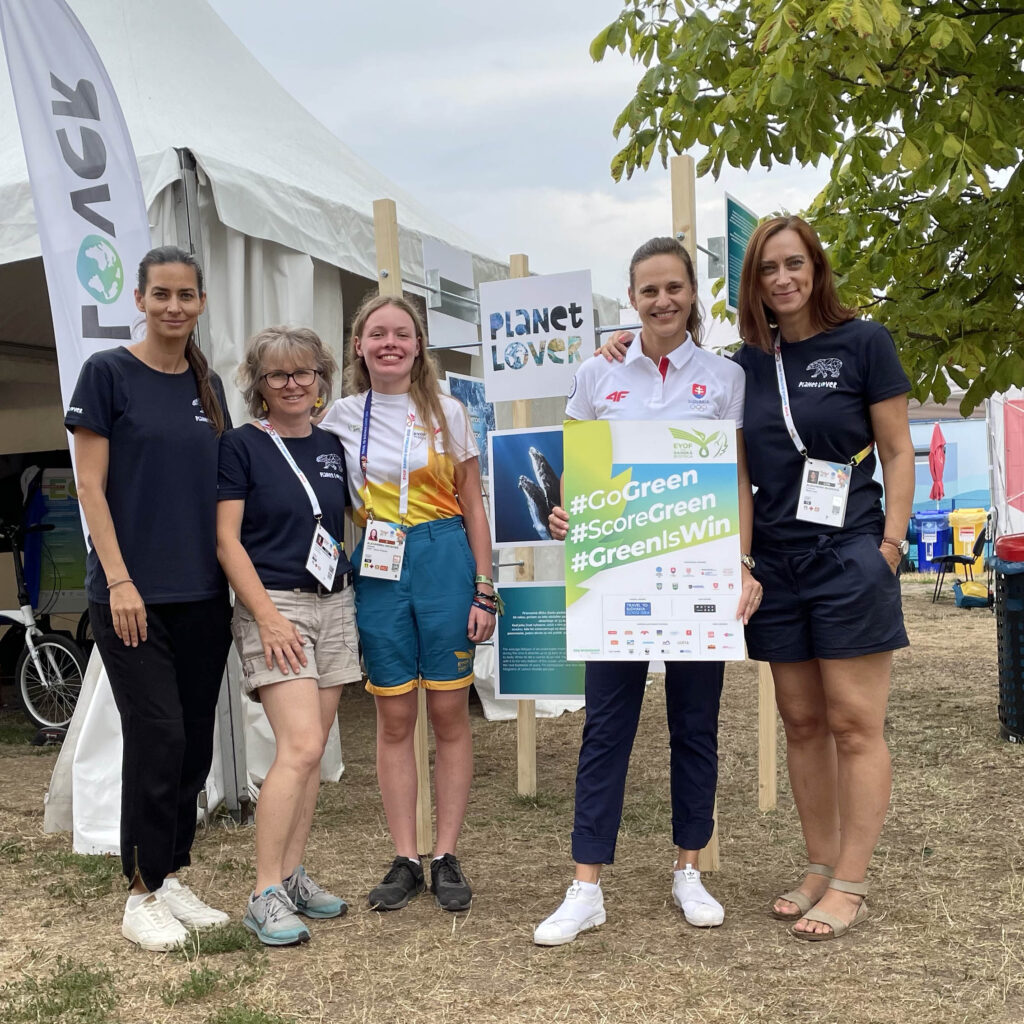
A lot of people think that ecology starts and ends with waste sorting (I’m sure you’ve come across more than one comment like “The environment is very important to me, that’s why I try to sort my waste”), but at EYOF we had our Planet Lover booth with various activities that taught the opposite, or rather that there’s a lot more that can be done for the planet, and it’s not complicated at all.
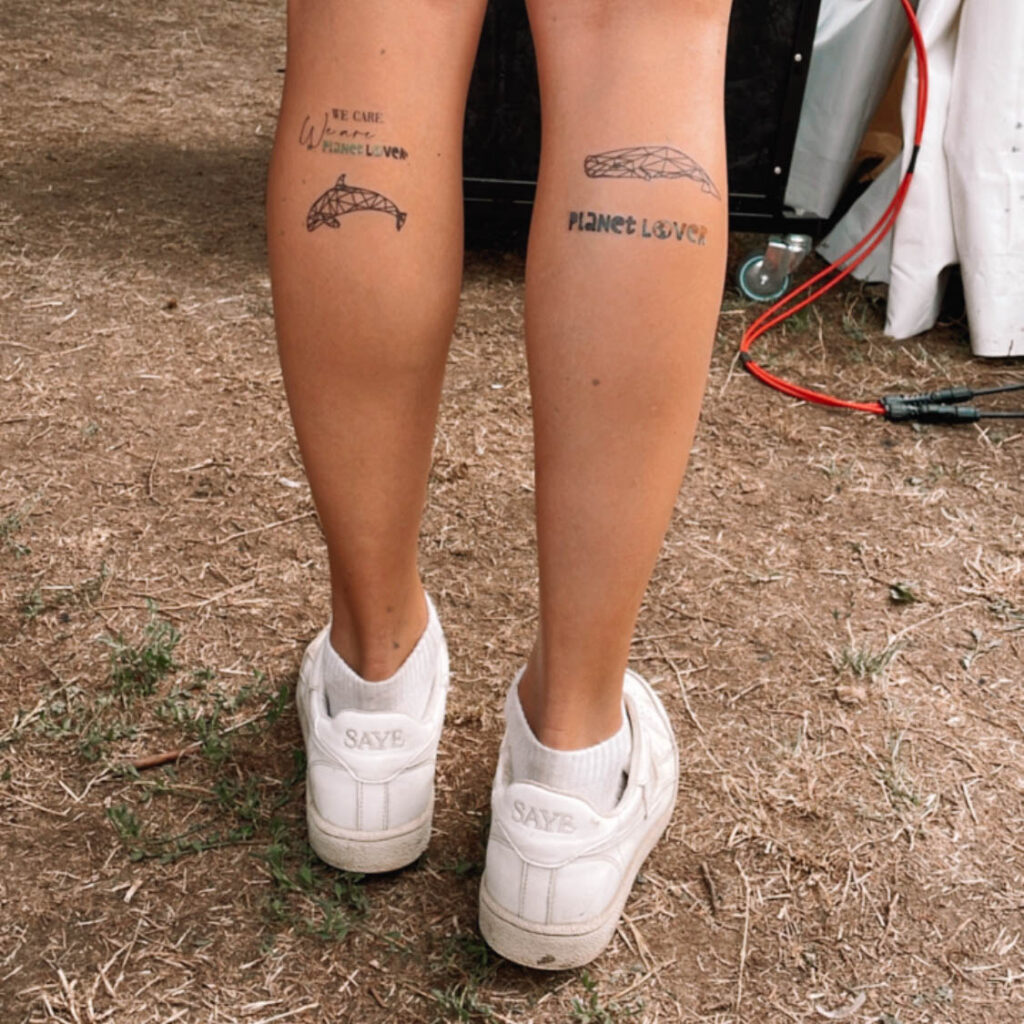
With the help of special bicycles, athletes and volunteers could generate their own energy, for example to charge their mobile phones. We also had a quiz with questions from the Eco-Olympics in which two players could compete against each other and the winner got our special tattoos.
We had athletes and volunteers stop by our booth who said they really liked our water conservation stickers, so I hope they followed them. 😀
However, when it comes to waste sorting, it is no longer possible to speak very positively here. I was not there, but my friends from the Sustainability Department told me about how sportsmen were throwing papers in the plastic bin, disposable cups were being thrown in the paper and even the catering tent had signs saying that the cups belonged there. Fortunately, it was resolved and they had to glue the sign up.
There were also bins for back-up bottles and cans, but these were not successful because athletes also threw other plastics such as wrappers and the like into them. So the volunteers then had to sort them, which was not a very pleasant job.
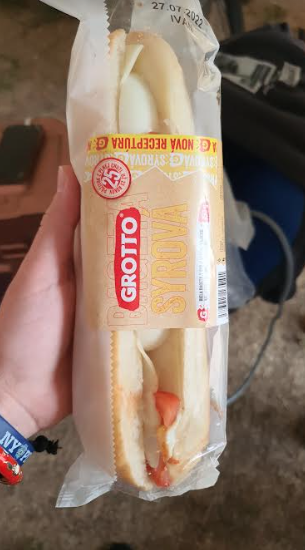
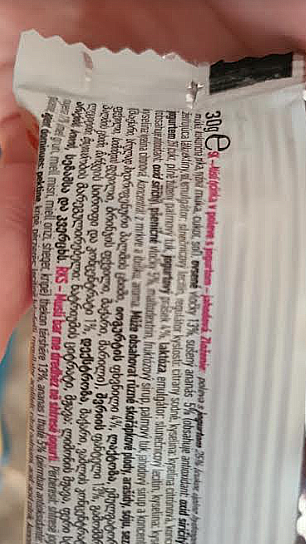
There was also a problem in the catering, where although they served vegan meals as promised, the athletes were incredibly wasteful, even though one of our recommendations was exactly not to waste food. However, the staff realised the problem on the first day and brought it to the attention of the management, who immediately addressed the problem by replacing the large plates with small ones. After that, even the ‘snacks’ we were given were made from palm oil. Acquiring acreage to grow oil palm (from which palm oil is then extracted) is one of the causes of massive deforestation in Southeast Asia, and its subsequent cultivation is very unsustainable because it is grown in monoculture (huge fields planted with only one crop) and is demanding of water and nutrients from the soil, making life miserable for the locals.
My overall assessment of the EYOF is positive, because there were many sustainable measures that worked and we can take a lesson from the ones that didn’t work on how to improve and possibly come up with something innovative that will work at future events.
For me, the sustainability at EYOF worked quite well and I took from it a great example that you always have to start somewhere and even if it’s not perfect the first time, it doesn’t matter because we can learn from our mistakes and correct them, which I can use in my professional and personal life as well.